
Navigating Family Dynamics at a Farewell
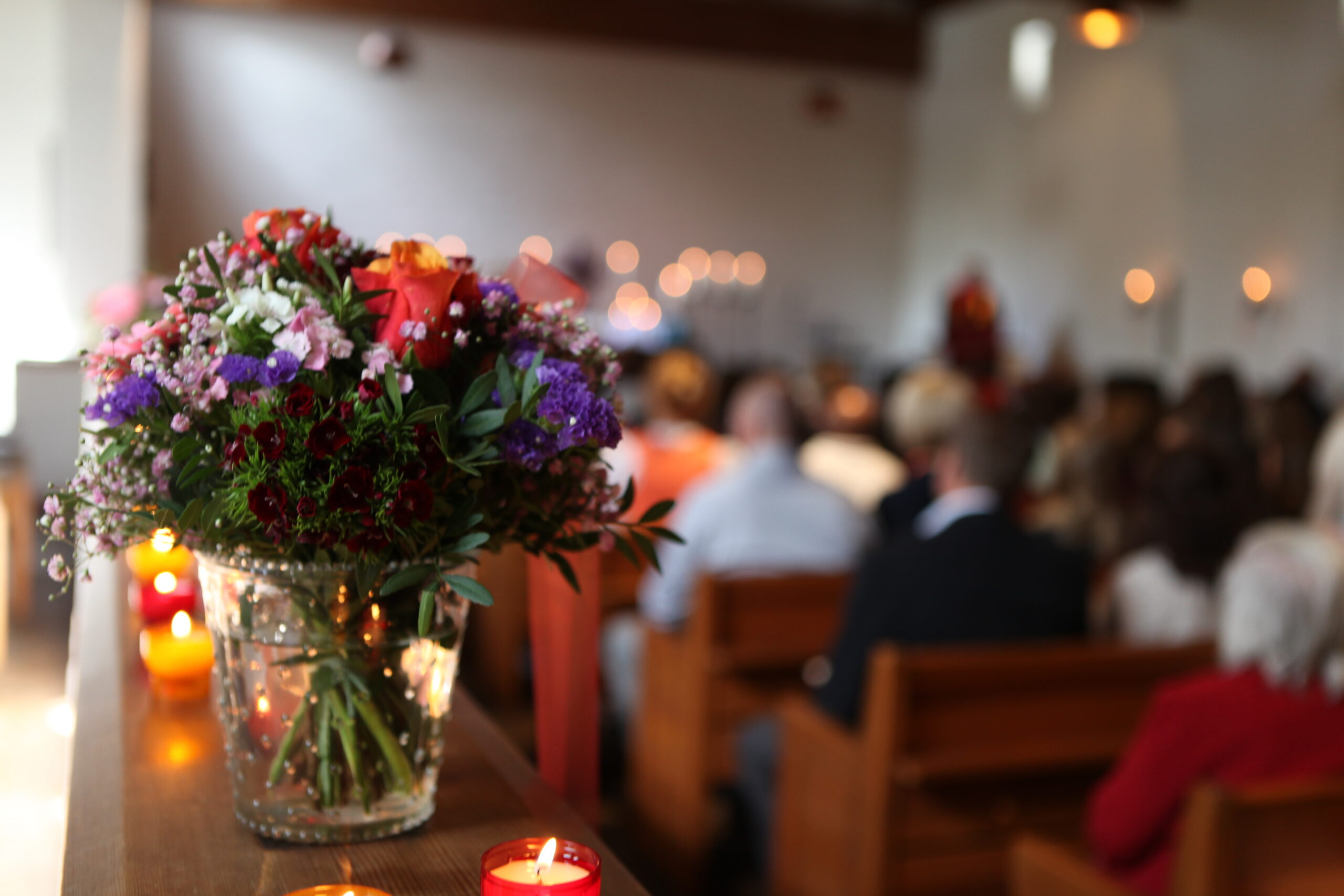
When imagining a farewell, you may picture a family gathered together in harmony, united in love and memory. And sometimes that’s exactly how it is. But more often than not, the picture is a little more… well, human.
Families are rarely neat. They’re layered, blended, shaped by old hurts, new relationships and everything in between and when someone dies, all those dynamics can rise to the surface. As a celebrant I want you to know that’s completely normal and something I can help with. Together we can create a respectful farewell where everyone feels safe and supported.
Common Situations That Can Make Goodbyes More Complicated
- Difficult relationships with the person who has died – not every bond is easy or straightforward and speaking honestly can feel challenging.
- Estrangement – people who haven’t seen each other for years suddenly find themselves in the same room, nursing old wounds alongside fresh grief.
- Blended families – stepparents, stepsiblings, ex partners who remained close and new partners who arrived later in life, can create a delicate emotional landscape.
- Different grieving styles – some people want quiet reflection, others want humour; some want to speak, others prefer to sit at the back.
- One person taking control – sometimes a single family member steps forward (or pushes forward), leaving others feeling unheard or unsure of their place.
- High emotion – grief amplifies everything and families often worry their dynamics will “spoil” the day. (They won’t. Truly.)
How I Support Families:
All of these situations, and many others, can still enjoy a beautiful and personal farewell. They simply require a ceremony to be designed with care and that’s something a thoughtful celebrant can support you with.
- Agreeing on the essentials, not the emotions
You don’t need to agree on everything – only the practical parts of the day. This might include the type of ceremony, time and place. I can speak to people individually if that feels easier and support with selecting content such as readings and music. If there’s conflict over who will speak, I can deliver the whole ceremony to keep things neutral. - Ensuring everyone feels heard, even when one person takes charge
If one family member is making most of the decisions, I can gently create space for others by gathering input privately, clarifying choices and offering small but meaningful roles. Everyone’s voice matters, even if not everyone wants to be involved in every detail. - Supporting families who don’t get along
You don’t need to stand together, interact closely or pretend relationships were easy. I can liaise with families members separately and on the day help co-ordinate seating, manage the flow of the service and create a calm atmosphere where everyone can pay their respects without pressure. - Navigating difficult relationships with the person who has died
If speaking about the person feels painful or complicated, there are many gentle alternatives: a simple poem, a short reflection or music without words. You don’t have to include a eulogy or a committal if it doesn’t feel right. A funeral can be truthful, simple and dignified without pretending the relationship was something it wasn’t. - Acting as a buffer when emotions run high
You can share concerns privately and I will hold the space in a way that protects everyone’s dignity. I’ll invite (not force) participation, so no one feels exposed or uncomfortable. I’ll explain decisions objectively, based on fact and experience and help families find middle ground when there are opposing views. - Helping you set boundaries that protect your wellbeing
You can choose where you sit, who you speak to, whether you attend the wake and how long you stay. A funeral does not require interaction. Being present is enough. It’s the perfect setting to be discreet and blend into the background, without having to speak to anyone, if you don’t wish to. - Keeping the day simple when needed
If tensions are high, a shorter day can be kinder for everyone. Some families choose to have the service only, a post-service reception for immediate family only or held at a later date and some choose not hold a post service reception. I can help you make a plan that feels manageable and respectful. - Bringing the focus back to the shared purpose
Even families who struggle to get along, often find common ground in wanting to honour the person who has died. Few people wish to bring conflict or disruption to a funeral service. My role is to help everyone stay focused on that shared intention, even if only for the length of the ceremony.
A final reflection
A meaningful farewell doesn’t require a perfect family. Every family has its complexities. What matters is the intention: to honour the person who has died with dignity and truth. When families feel unsure, I guide them. When they feel overwhelmed, I simplify. When they feel divided, I help them find places where their stories meet. You are not alone in navigating complicated dynamics and together we can create a ceremony that feels warm, respectful and true to the person you are saying goodbye to.
Here to help
If you would like a farewell ceremony that is special, that’s what I do. I don’t rush. I don’t use templates. I take time to understand. Ceremonies don’t need to be loud or showy to be powerful. They can be gentle, intentional and beautiful – it’s the inspiration behind the name of my business and blog and what I do best.
If you’d like to know more please contact me because ‘a life story deserves… beautiful words’.
Speak soon