
How to Write a Eulogy
A funeral service can be anything you want it to be (within reason) so it’s your choice whether you include a eulogy, but if you do then I hope this blog is useful.
What is a Eulogy?
A eulogy isn’t a CV.
It isn’t a timeline.
It isn’t a checklist of achievements.
A great eulogy is… a story.
A story that leads you through someone’s life while exploring their personality, their values, their experiences, their impact, their legacy. It helps those listening to say, “Yes… that was them. That’s exactly who they were” and that familiarity is comforting, especially when it’s shared with others. A great eulogy doesn’t just add personality to a farewell, it becomes a memory in its own right. A keepsake. Something beautiful to be treasured by future generations.
A eulogy doesn’t need to be perfect. It just needs to be real. There are so many ways to write one; chronological, character-focused, memory-based or shaped around defining attributes or passions. There are no rules. Sometimes one small detail becomes the key that unlocks the whole story, just as I discovered when writing my first ever one.
My First Eulogy: “When Life Gives You Lemons… Make a Cake”
At the heart of the story was Jane, a warm, resilient and community‑minded lady. As I listened to her son and daughter-in-law speak, one detail stood out: lemons.
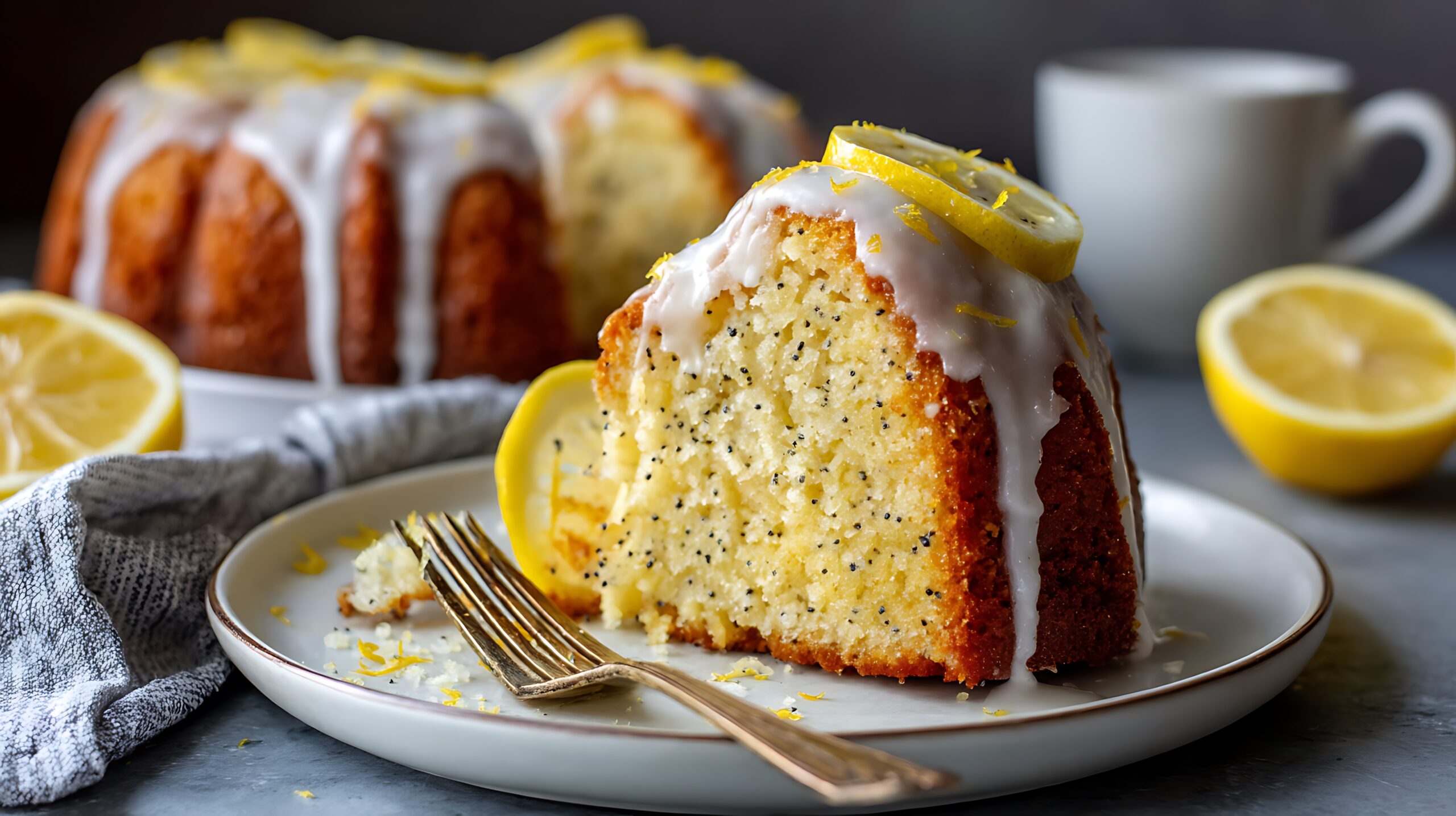
Jane grew up on Lemons Farm and was known for her delicious lemon cake – a recipe so loved that her children lit up when they recalled the smell, the taste and the comfort it bought them. But it was the positive and determined way Jane embraced life’s challenges that inspired me to use the well-known saying, swapping the word lemonade for cake. It became the perfect metaphor for her life.
As a single mum, Jane shaped her work around her children. She made full use of her caring and empathetic nature as a nurse and childminder and although she lived far from her family, she embraced her local community wholeheartedly. Her home always open, her kettle always on, her kindness instinctive.
The sentiment of the eulogy tied together her childhood, her character, her resilience and her legacy. I finished her life story by revealing that her lemon cake would be served at her daughter’s upcoming wedding. A reminder that even in her absence, Jane’s love would continue to be present at the family’s most important moments.
So… How Do You Write a Eulogy?
There’s no right or wrong way but these steps may help:
- Start with a conversation, not a blank page
Talk to family and friends. Ask open questions. Listen for the stories that make people smile, sigh or laugh unexpectedly. Those are the moments that matter. - Look for the thread
Is there a theme, a habit, a place, a food, a saying that captures their spirit? That small detail can help shape the whole piece. - Choose quality over quantity
You don’t need every story. You need the right stories – the ones that reveal who they truly were. When I write eulogies, I typically aim for up to a maximum of 1,000 words (about 5–7 minutes) but not everyone knows a full life story, so if it’s shorter that’s absolutely fine. - Be honest, warm and human
A great eulogy doesn’t pretend someone was perfect. It celebrates their realness, their strengths, their quirks and their unique way of being in the world. Perhaps they were stubborn, strict or faced challenges such as health issues, mentioning these qualities makes them more recognisable. - End with legacy
What remains?
What continues?
What will people carry forward because this person lived?
You Don’t Have to Write It Yourself
One of the wonderful things about working with a celebrant is that we love writing! And any good celebrant will know… “a great script invites collaboration”. So you have options:
- You can write the eulogy yourself.
- You can write the eulogy with guidance from your celebrant.
- You can ask your celebrant to write it on your behalf.
If you want to give it a go, I would certainly encourage you. You know your person better than anyone. You don’t need to be word perfect, use complicated language or be a writer of any kind. But equally, you shouldn’t feel pressured to write it because you think you “should.” Grief is heavy and writing under emotional strain can be incredibly difficult. If you’d like your celebrant to guide you or take the lead, they will be more than happy to do so!
Here to help
If you would like a farewell ceremony that is special, that’s what I do. I don’t rush. I don’t use templates. I take time to understand. Ceremonies don’t need to be loud or showy to be powerful. They can be gentle, intentional and beautiful – it’s the inspiration behind the name of my business and blog and what I do best.
If you’d like to know more please contact me because ‘a life story deserves… beautiful words’.
Speak soon